May 13, 2026
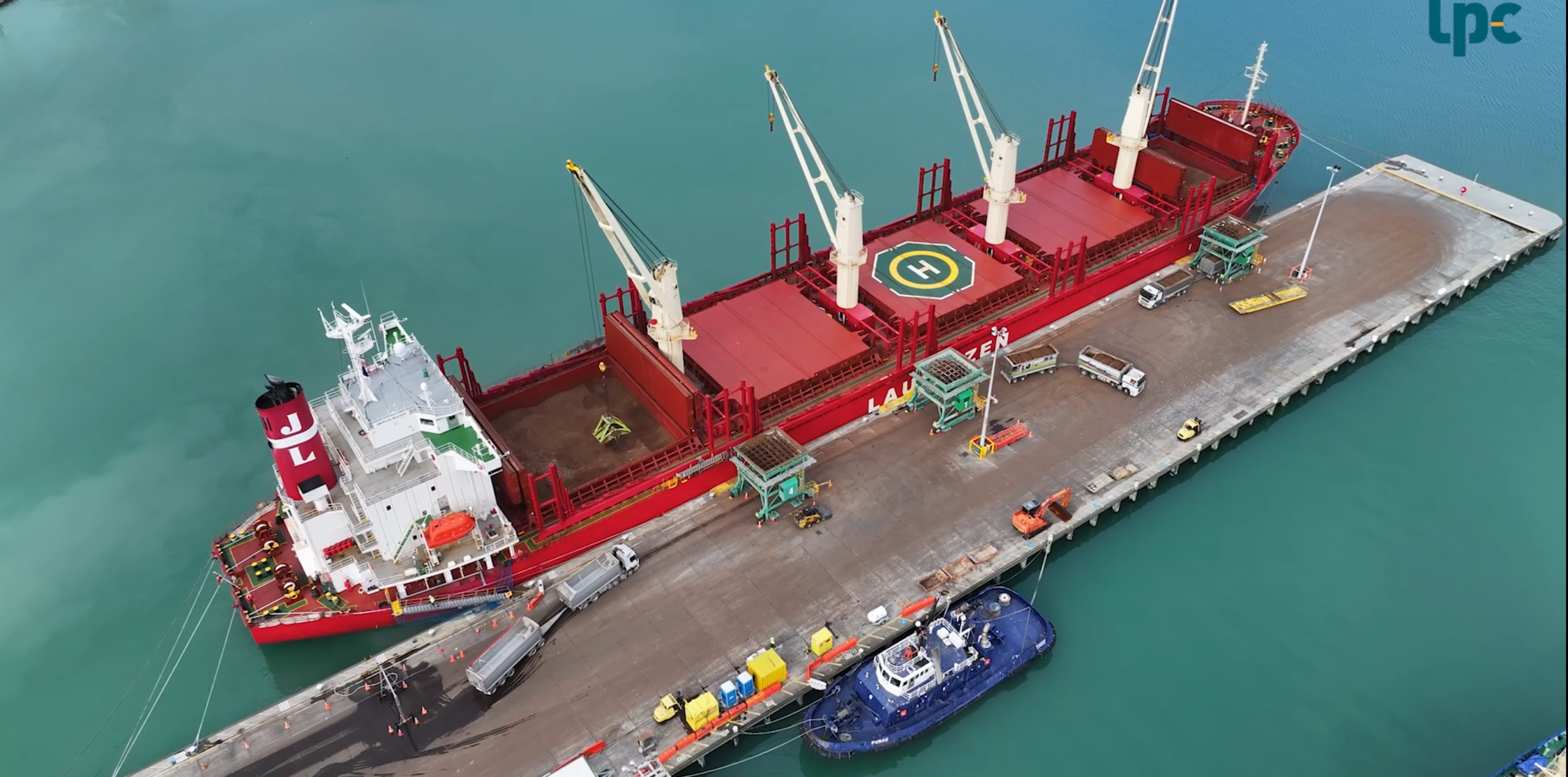
The inner harbour wharves are used for bulk cargo loading and unloading. More than thirty different products are discharged from the vessel or loaded onto the vessel on these wharves. Products include fertiliser, stockfeed, food, logs and scrap metal. Each product has its own environmental considerations to take into account such as noise and dust. LPC’s activities relating to dust are regulated under resource consents from Environment Canterbury.
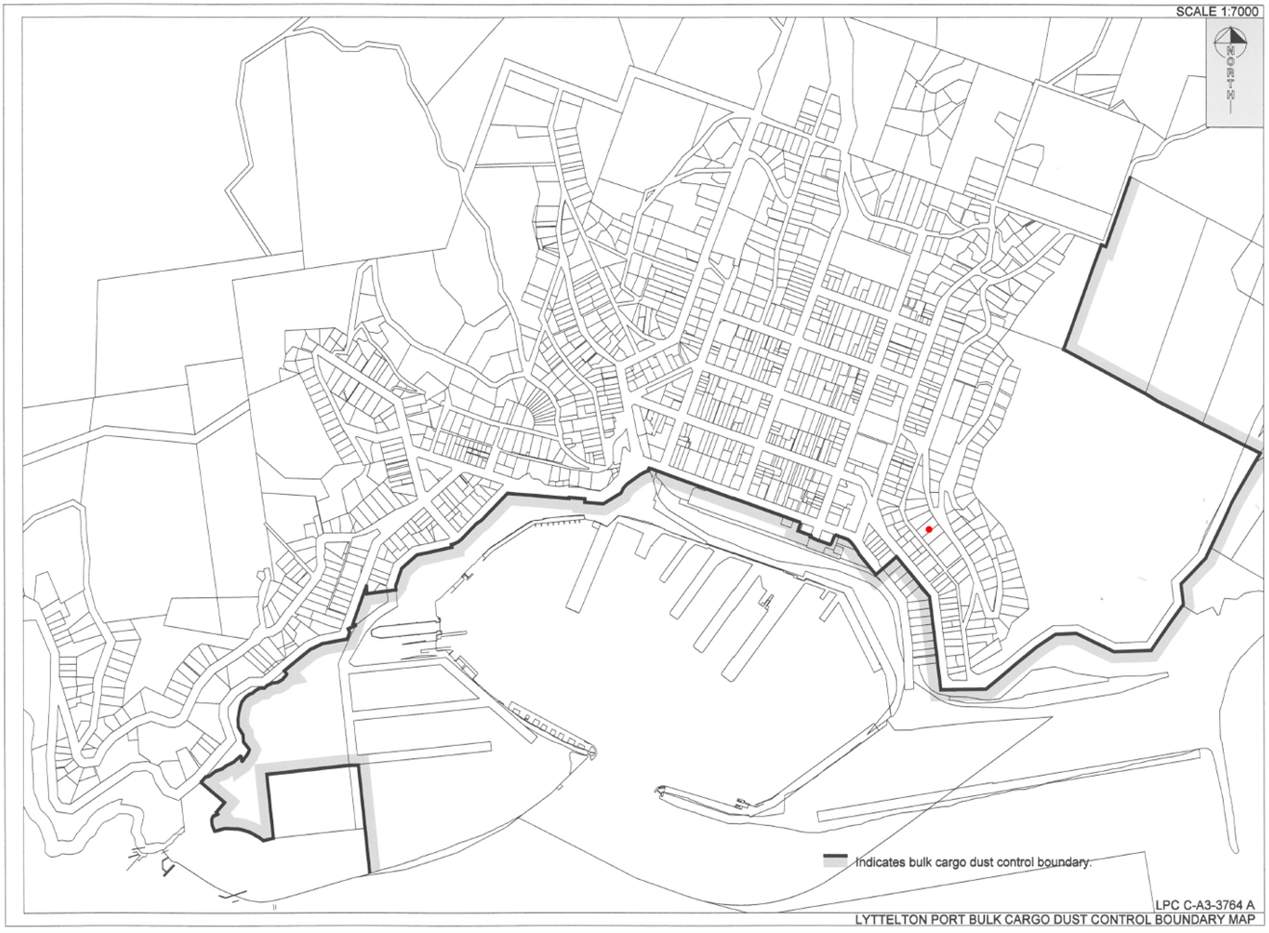
At LPC, third-party stevedores operate the bulk cargo operation under LPC’s consents. These consents allow us to discharge dust into the air, but that dust must stay within the Port boundary.
In 2023, LPC commissioned an independent year-long study by Mote Limited to understand whether bulk cargo unloading impacted local air quality. The study involved deploying three particulate matter (PM10) dust monitors around the Inner Harbour, covering operations on Jetties 2, 3, and 7. Results showed minor increases in particulate matter only during specific unloading events. Importantly, all recorded PM10 levels remained below the World Health Organisation’s 24-hour and annual guideline thresholds. The monitoring results have helped validate LPC’s dust mitigation processes, which include additional measures for handling products with a high dust risk.
For dusty products, mitigation measures include:
- Wind-triggered shutdowns
- Wharf sweeping to remove product that might cause dust
- Operator procedures to minimise dust emissions
- Use of water as a misting barrier – either fog cannons or hopper misting sprays and truck spray
So if you do see dust in the air from bulk cargo operations, be assured that there are measures in place to reduce dust and work within our resource consents.
If you think that the dust is travelling beyond the Port boundary, please get in touch LPCCommunications@lpc.co.nz